Marcus Aurelius: Meditations and the Ultimate Guide to the Self
Nearly two millennia ago, deep within the frozen, perilous military encampments along the Danube frontier, the most powerful man in the Western world sat down by candlelight to write a private journal. He was not writing for publication, political legacy, or public adulation; rather, he was engaged in a fierce, daily battle to preserve his own sanity, morality, and inner peace amidst overwhelming chaos. This man was the Roman Emperor Marcus Aurelius, and his private therapeutic notebook would eventually survive the collapse of empires to become known as Meditations. Standing as the definitive masterpiece of Stoic philosophy, this deeply intimate text has evolved over centuries into the world’s most enduring, battle-tested self-help guide, continuing to exert a monumental impact on modern global culture by offering humanity a timeless blueprint for psychological resilience.
To fully appreciate the immense, revolutionary impact of Meditations, one must contrast its profound insights against the heavy burdens of Marcus Aurelius’ historical reality. Ruling Rome from 161 to 180 CE, his tenure was defined not by decadent luxury, but by an unrelenting succession of catastrophic crises. He faced the devastating Antonine Plague that decimated his population, betrayal by his closest general, constant economic instability, and brutal, exhausting frontier wars. Yet, instead of succumbing to despair, anger, or tyrannical corruption, Marcus used Stoicism as an active psychological shield. His writings reveal a leader practicing what modern psychology calls cognitive reframing—constantly reminding himself that while he could not control external events, he maintained absolute, sovereign control over his internal responses and moral choices.
The core framework that makes Meditations the ultimate self-help manual is its brilliant compartmentalization of reality, known in Stoic philosophy as the Dichotomy of Control. Marcus repeatedly commands himself to divide all life variables into two distinct categories: things that are up to us, and things that are not. He argues that human suffering does not stem from external events themselves, but entirely from our internal judgments about those events. By accepting that fame, health, weather, and the actions of other people are ultimately beyond our direct influence, we can stop wasting vital emotional energy on them. This allows us to focus our entire cognitive capacity inward, cultivating what he termed the "Inner Citadel"—an unassailable fortress of the mind capable of remaining tranquil regardless of external storms.
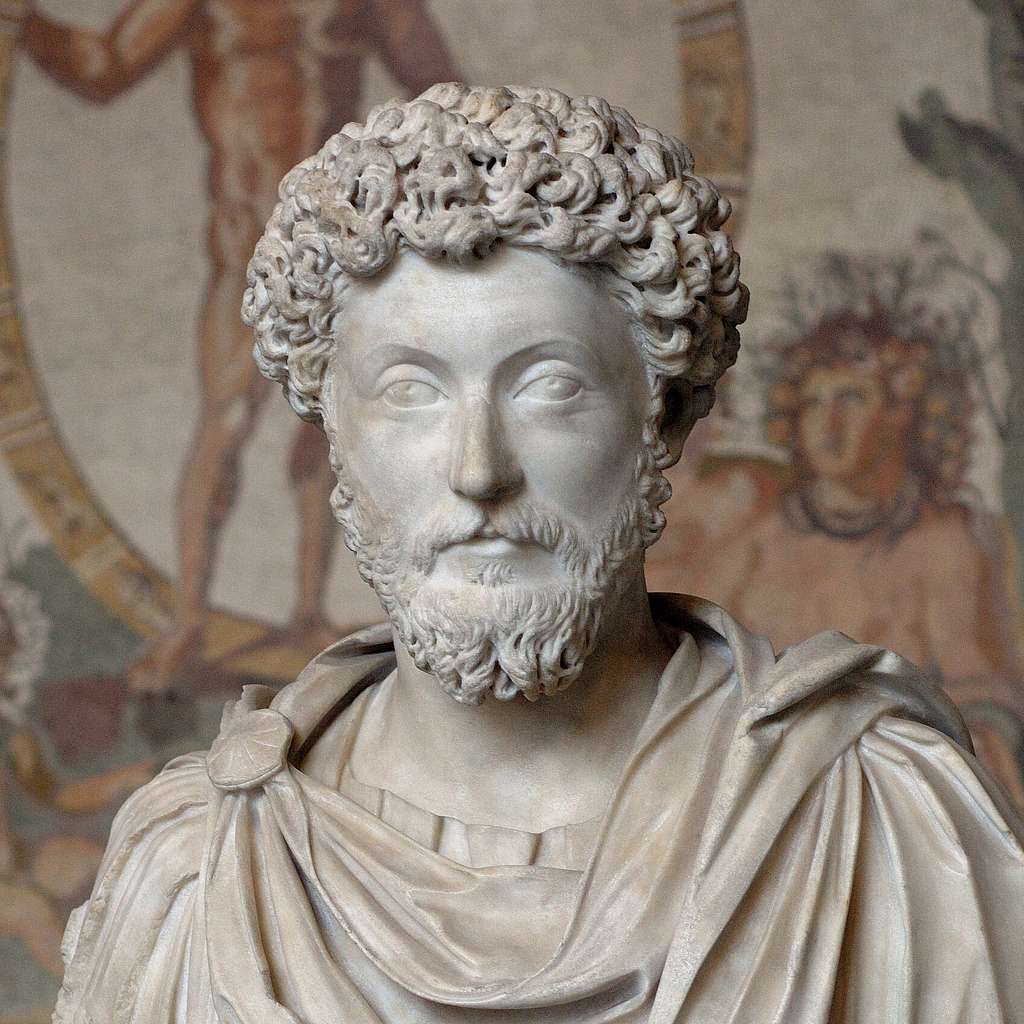
Beyond abstract metaphysics, Marcus’ journal provides immediate, highly actionable strategies for navigating daily interpersonal conflict and human frustration. In one of his most famous, widely quoted passages, he writes: "When you wake up in the morning, tell yourself: The people I deal with today will be meddling, ungrateful, arrogant, dishonest, jealous, and surly." Crucially, Marcus does not offer this advice out of bitter misanthropy; instead, he uses it as a form of proactive cognitive preparation. By anticipating human flaws, he insulates his mind against sudden shock or anger, reminding himself that those who do wrong are merely ignorant of what is genuinely good, and that as human beings, we are built to work together like interlocking hands or feet.
The long-term cultural significance of this ancient text stretches far beyond the boundaries of classical philosophy, exerting a monumental foundational impact on the modern mental health movement. In the mid-20th century, pioneering psychologists like Albert Ellis and Aaron T. Beck explicitly drew upon Marcus Aurelius’ Stoic principles to develop Rational Emotive Behavior Therapy (REBT) and Cognitive Behavioral Therapy (CBT)—the gold-standard therapeutic frameworks used globally today. CBT mirrors Marcus' ancient thesis by training individuals to actively audit, challenge, and restructure their negative thought patterns. When a modern therapist helps a patient separate a traumatic external event from their catastrophic interpretation of it, they are directly executing the exact same psychological exercises Marcus used on the Roman frontier.
Furthermore, Meditations has had an astonishing, transformative impact on the worlds of global leadership, athletic elite performance, and creative arts. Throughout history, world leaders ranging from Frederick the Great and Thomas Jefferson to Nelson Mandela have turned to Marcus' words during times of intense personal confinement or geopolitical crisis to maintain their ethical centering and focus. In our fast-paced digital era, characterized by an overwhelming deluge of algorithmic distractions, performative outrage, and collective anxiety, the book has experienced a massive, unprecedented cultural renaissance. It serves as a vital digital detox manual for millions of ordinary people seeking a calm anchor in an increasingly volatile world, proving that ancient wisdom can effortlessly solve modern psychological fragmentation.
Ultimately, the enduring magic of Meditations lies in its radical, humbling vulnerability. It presents us with an emperor who, despite possessing absolute, unchecked power over the known world, struggled with the exact same low-friction human issues we face today: laziness in the morning, fear of death, anxiety about the future, and irritation with difficult colleagues. He did not write as a flawless, detached guru, but as a flawed, dedicated practitioner of mental discipline. By leaving behind his private, unvetted spiritual diary, Marcus Aurelius accidentally gifted humanity the ultimate companion for the soul—an eternal reminder that true peace is never found by escaping our physical surroundings, but by exploring, fortifying, and mastering the fathomless depths of our own minds.